Study In Bulgaria
Step Into European Education: Pursue Your Study In Bulgaria!
Study in Bulgaria – Complete Guide for International Students
1,100+
€25,000+
120,000+
9–12 Months
Stay Back Visa
Bulgaria is becoming an increasingly popular destination for international students seeking affordable European education, globally recognized degrees, and a multicultural environment.
The country offers quality higher education through universities such as Sofia University St. Kliment Ohridski, Medical University of Sofia, Technical University of Sofia, and Plovdiv Medical University.
Located in Southeastern Europe, Bulgaria provides students with a safe environment, lower living costs compared to Western Europe, and access to the European job market.
Why Study in Bulgaria
Globally Recognized Degrees
Bulgarian universities follow the European Bologna education system, ensuring that degrees are recognized across Europe and many other countries worldwide.
Affordable Tuition Fees
Bulgaria offers high-quality education at affordable tuition costs, making it attractive for international students.
| Course | Average Tuition |
|---|---|
| Engineering | €3,000 – €6,000 / year |
| Business | €2,500 – €5,000 / year |
| Medicine | €7,000 – €9,000 / year |
English-Taught Programs
Popular study fields include:
- Medicine
- Dentistry
- Pharmacy
- Engineering
- Computer Science
- Business Administration
Strong Medical Education Reputation
Bulgaria is especially well known for medical education in Europe.
Medical universities such as:
- Medical University of Sofia
- Medical University of Plovdiv
- Medical University of Varna
offer English-taught MBBS, dentistry, and pharmacy programs recognized in many countries.
Universities
Discover leading universities in Bulgaria known for academic excellence and international programs.
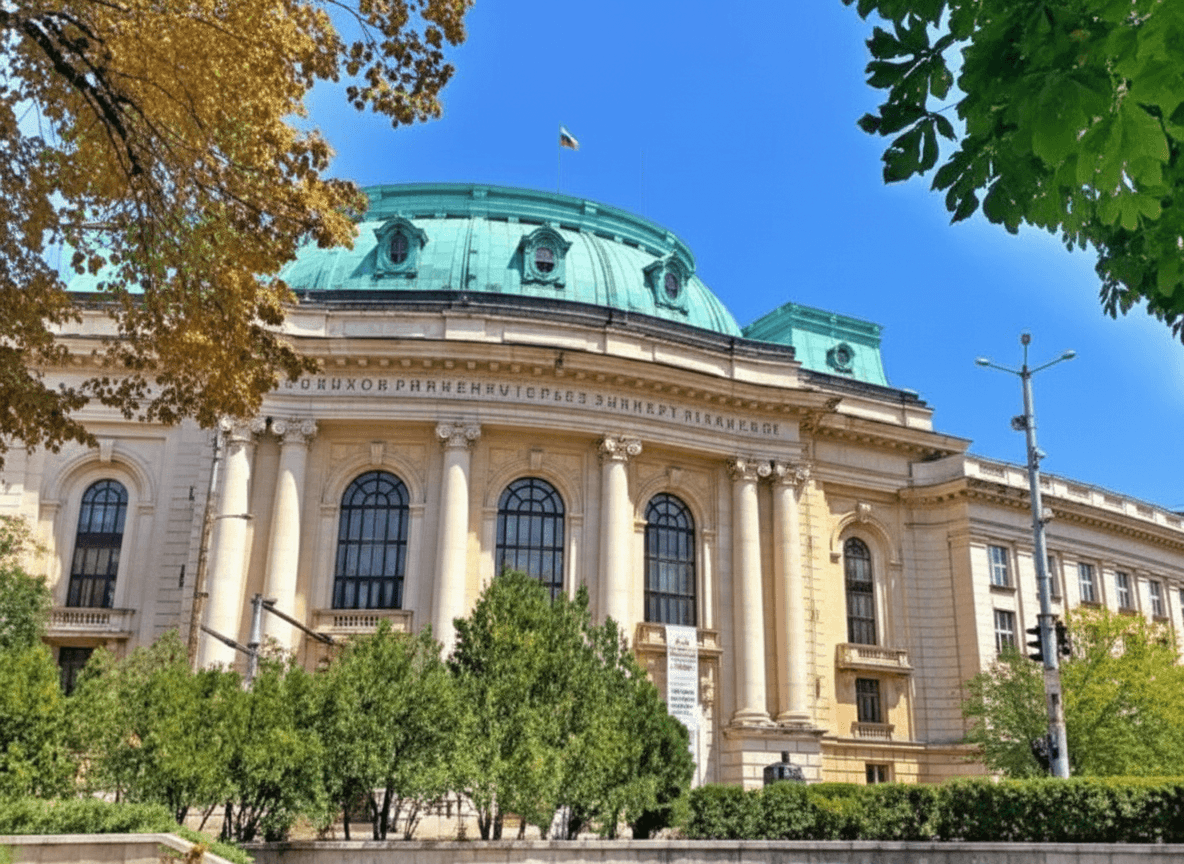
Sofia University St. Kliment Ohridski
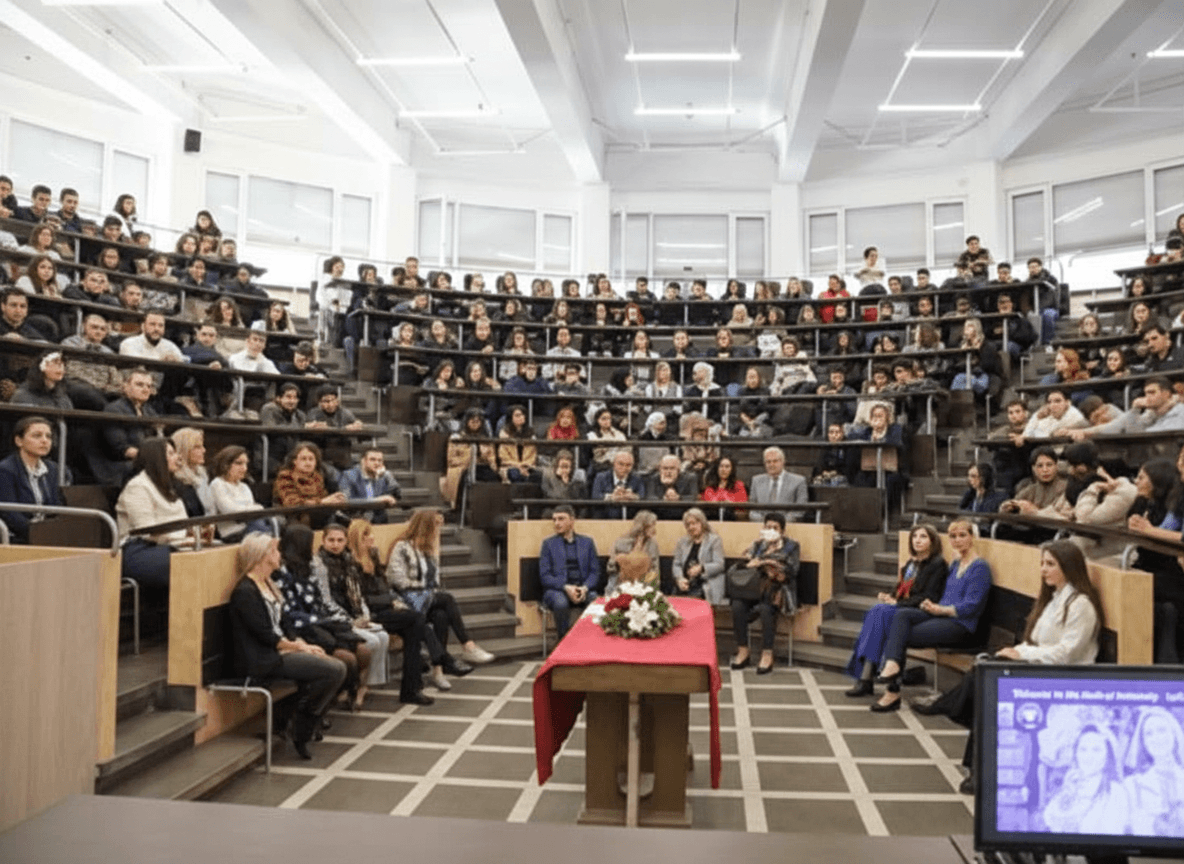
Medical University of Sofia
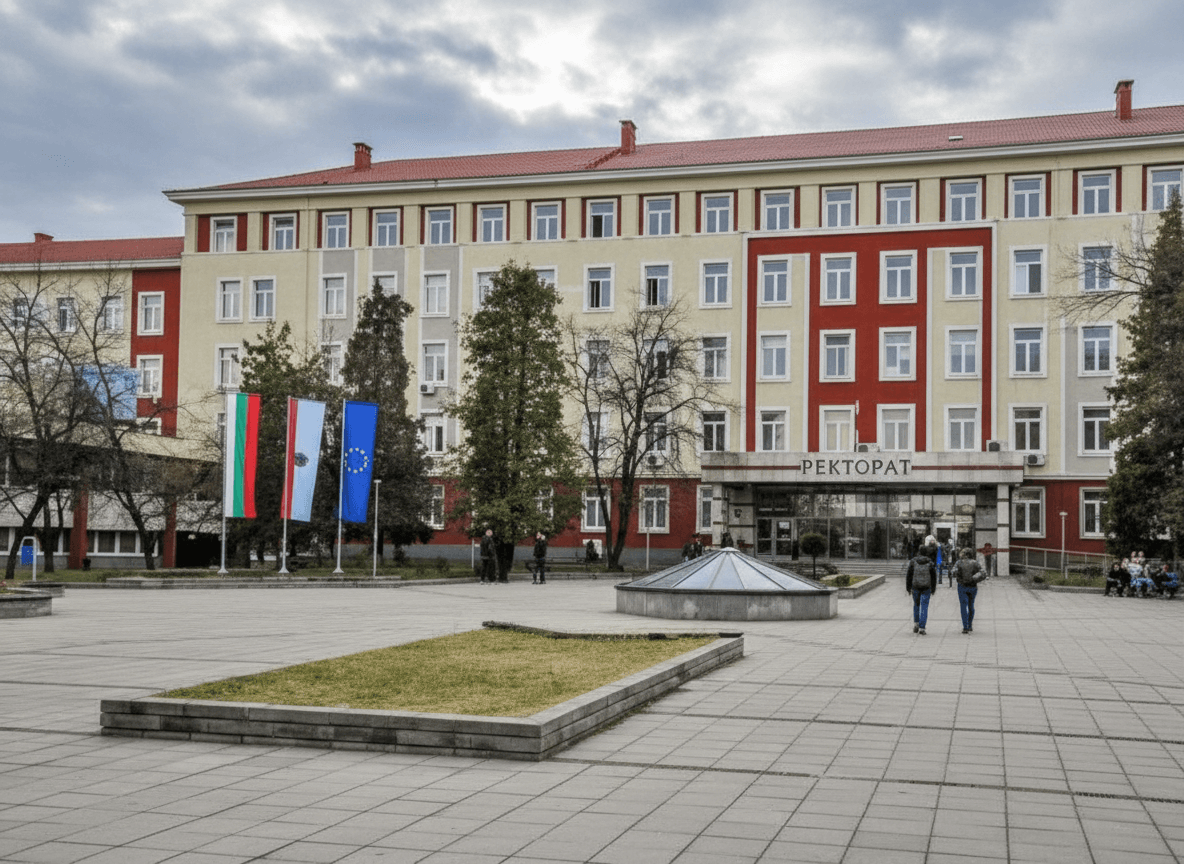
Technical University of Sofia

Medical University of Plovdiv
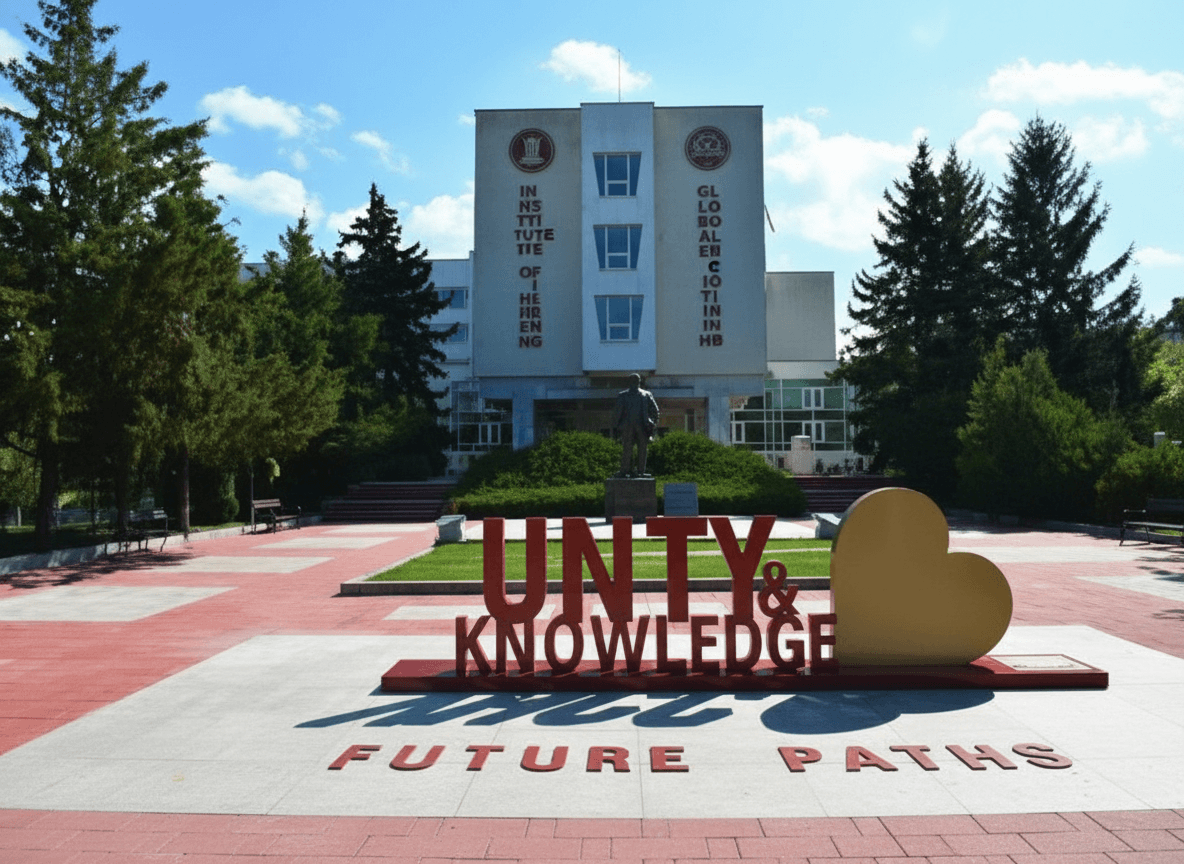
University of National and World Economy
Affordable Living Cost
Bulgaria has one of the lowest living costs in Europe.
Students typically spend around:
€400 – €700 per month
This includes accommodation, food, transport, and other personal expenses.
Work While Studying
International students in Bulgaria are allowed to work part-time while studying.
Students can work up to 20 hours per week, helping them support their living expenses.
Stay Back Option After Graduation
After completing their studies, graduates can apply for a residence permit to stay and work in Bulgaria.
Career opportunities are growing in sectors such as:
- Information Technology
- Engineering
- Healthcare
- Business Services
Top Universities in Bulgaria (QS Ranking)
| University | QS Ranking | Popular Courses | City |
|---|---|---|---|
| Sofia University | ~700 | Sciences, Business, Humanities | Sofia |
| Technical University of Sofia | ~900 | Engineering, Technology | Sofia |
| Medical University of Sofia | ~1000 | Medicine, Pharmacy | Sofia |
| Medical University of Plovdiv | ~1000 | Medicine, Dentistry | Plovdiv |
| University of National & World Economy | ~1000 | Business, Economics | Sofia |
Popular Career-Oriented Courses in Bulgaria
Bulgaria offers several career-focused international programs.
Medicine & Healthcare
Duration: 6 years
Popular programs include:
- Medicine (MBBS equivalent)
- Dentistry
- Pharmacy
Top universities:
- Technical University of Sofia
Top institutions:
- Medical University of Sofia
- Medical University of Plovdiv
- Medical University of Varna
Engineering
Duration: 3–4 years
Popular fields include:
- Mechanical Engineering
- Civil Engineering
- Electrical Engineering
- Computer Engineering
Computer Science & IT
Specializations include:
- Software Development
- Artificial Intelligence
- Cybersecurity
- Data Science
IT & Technology
- Software Developer
- Data Scientist
- Cybersecurity Specialist
Business & Management
Popular specializations include:
- International Business
- Finance
- Marketing
- Entrepreneurship
Business Field
- Financial Analyst
- Marketing Manager
- Business Consultant
Career Opportunities After Studying in Bulgaria
Bulgaria has a developing economy and growing demand for skilled professionals.
Popular Job Roles
Medical Field
- Doctor
- Dentist
- Pharmacist
Engineering Field
- Mechanical Engineer
- Civil Engineer
- Electrical Engineer
Quick Comparison of Top Universities
| University | Course Strength | Tuition | Research | City |
|---|---|---|---|---|
| Sofia University | Sciences, Business | Medium | Good | Sofia |
| Technical University of Sofia | Engineering | Medium | Good | Sofia |
| Medical University of Sofia | Medicine | High | Good | Sofia |
| Medical University of Plovdiv | Medicine | High | Good | Plovdiv |
Student Testimonials
One To One Consultation with EduAdvisory
At EduAdvisory, we guide students through the complete process:
- University selection
- Application process
- SOP & documentation support
- Visa assistance
- Scholarship guidance
- Pre-departure guidance
Our team ensures a smooth admission process into top Bulgarian universities.
Frequently Asked Questions
Planning to study in Italy but have a lot of questions like our other applicants? Find well-defined answers in our FAQ section with one click. For detailed information feel free to contact our highly experienced education consultants anytime!
1. Is Bulgaria good for international students?
Yes, Bulgaria offers affordable education, internationally recognized degrees, and a safe environment for international students.
2. What is the cost of studying in Bulgaria?
Tuition fees usually range between €2,500 – €9,000 per year, depending on the course.
3. What is the cost of living in Bulgaria for students?
Students typically spend €400 – €700 per month on living expenses.
4. Can international students work while studying in Bulgaria?
Yes, students can work up to 20 hours per week during their studies.
5. Are Bulgarian degrees recognized internationally?
Yes, Bulgarian universities follow the European Bologna education system, making degrees internationally recognized.
6. What are the intakes in Bulgaria?
Most universities offer two major intakes:
- September (main intake)
- February (limited programs)
7. Is IELTS required to study in Bulgaria?
Yes, IELTS or another English proficiency test is usually required for English-taught programs.
8. Can students stay in Bulgaria after graduation?
Yes, graduates can apply for a residence permit to stay and work in Bulgaria.
9. Is Bulgaria safe for international students?
Yes, Bulgaria is considered a safe and student-friendly country in Europe.
10. What are the most popular courses in Bulgaria?
Popular courses include:
- Medicine
- Dentistry
- Engineering
- Computer Science
- Business Administration