Study In Germany
Study in Germany – World-Class Education with Low Cost
Get access to top-ranked universities, globally recognized degrees, and excellent career opportunities—often with zero tuition fees at public universities.
- Tuition-Free Education
- High Job Opportunities
- PR Pathway After Study
Why Study in Germany
Germany is one of the most preferred destinations for international students due to its high-quality education system and strong economy.
- Public universities offer little to no tuition fees
- Degrees are globally recognized
- Strong demand in engineering, IT, healthcare, and business
- Opportunity to stay and work after graduation
- Safe, developed, and student-friendly country
- Many programs available in English
Education System & Degree Structure
Germany offers a structured and research-oriented education system:
- Bachelor’s Degree: 3–4 years
- Master’s Degree: 1–2 years
- PhD Programs: 3–5 years


Types of Institutions:
- Public Universities – Low or no tuition fees
- Private Universities – Higher fees but flexible admission
- Universities of Applied Sciences – Practical, industry-focused learning
Universities List in Germany
Germany has over 400 universities, including some of the world’s top-ranked public institutions.
Top Public Universities: (Tuition-Free / Low Cost)
- Technical University of Munich
- Ludwig Maximilian University of Munich
- Heidelberg University
- RWTH Aachen University
- University of Stuttgart
- Humboldt University of Berlin
- Free University of Berlin
- University of Freiburg
- Karlsruhe Institute of Technology
- University of Hamburg
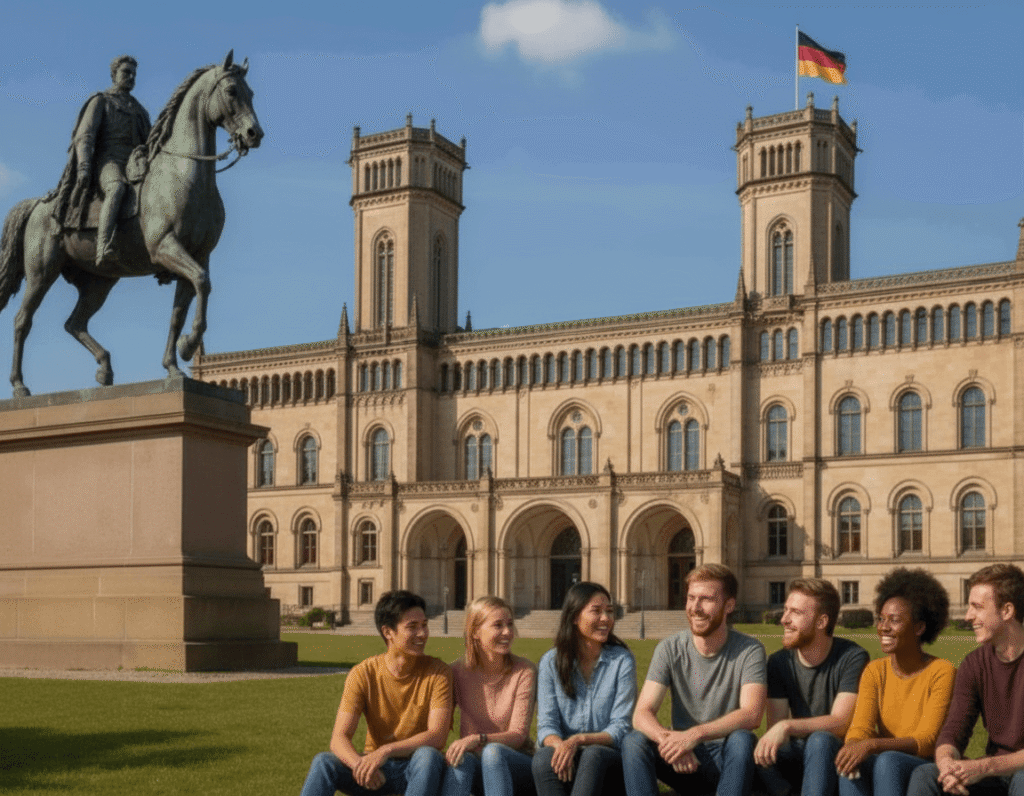

Private Universities in Germany (Paid / Flexible Admission)
These universities are privately funded and offer more flexibility.
- SRH University Heidelberg
- IU International University of Applied Sciences
- GISMA Business School
- Berlin School of Business and Innovation
- EU Business School Germany
- Jacobs University Bremen
- Macromedia University of Applied Sciences
- EBS University of Business and Law
Universities
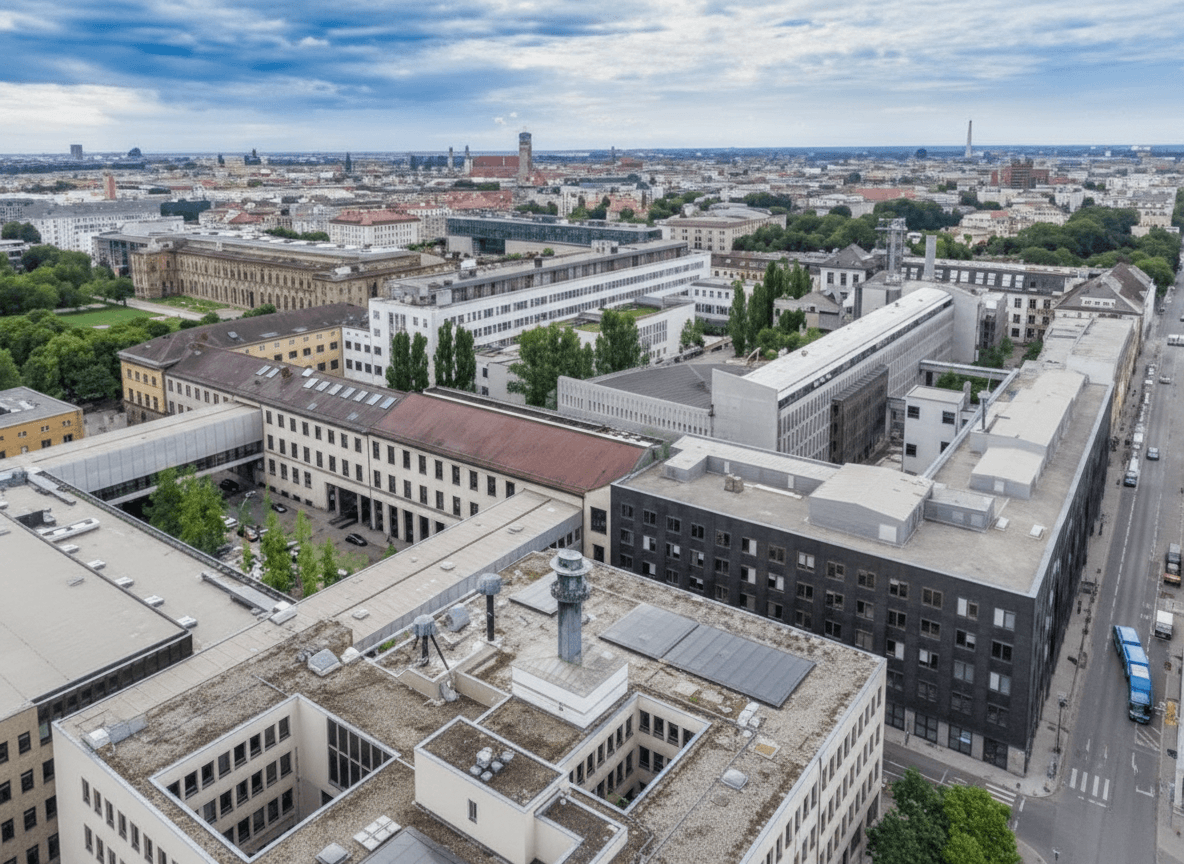
Technical University of Munich
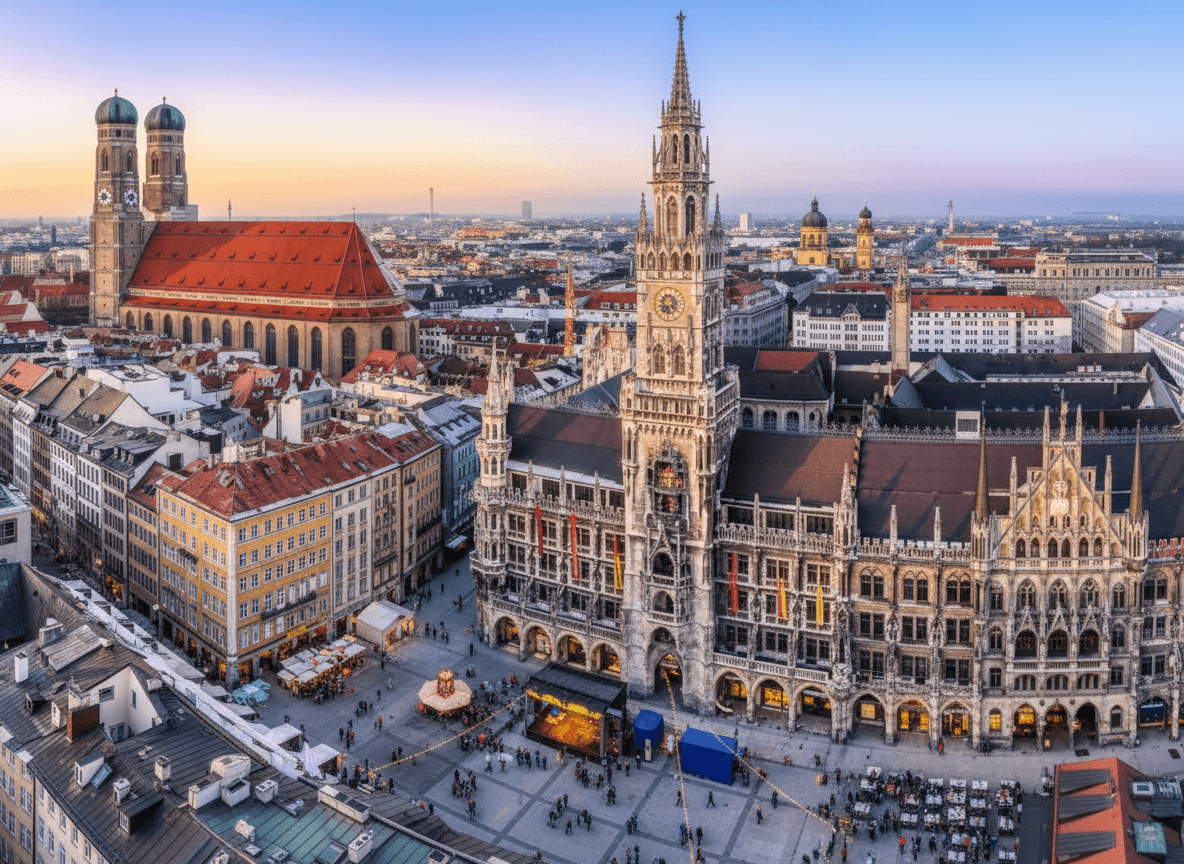
Ludwig Maximilian University of Munich
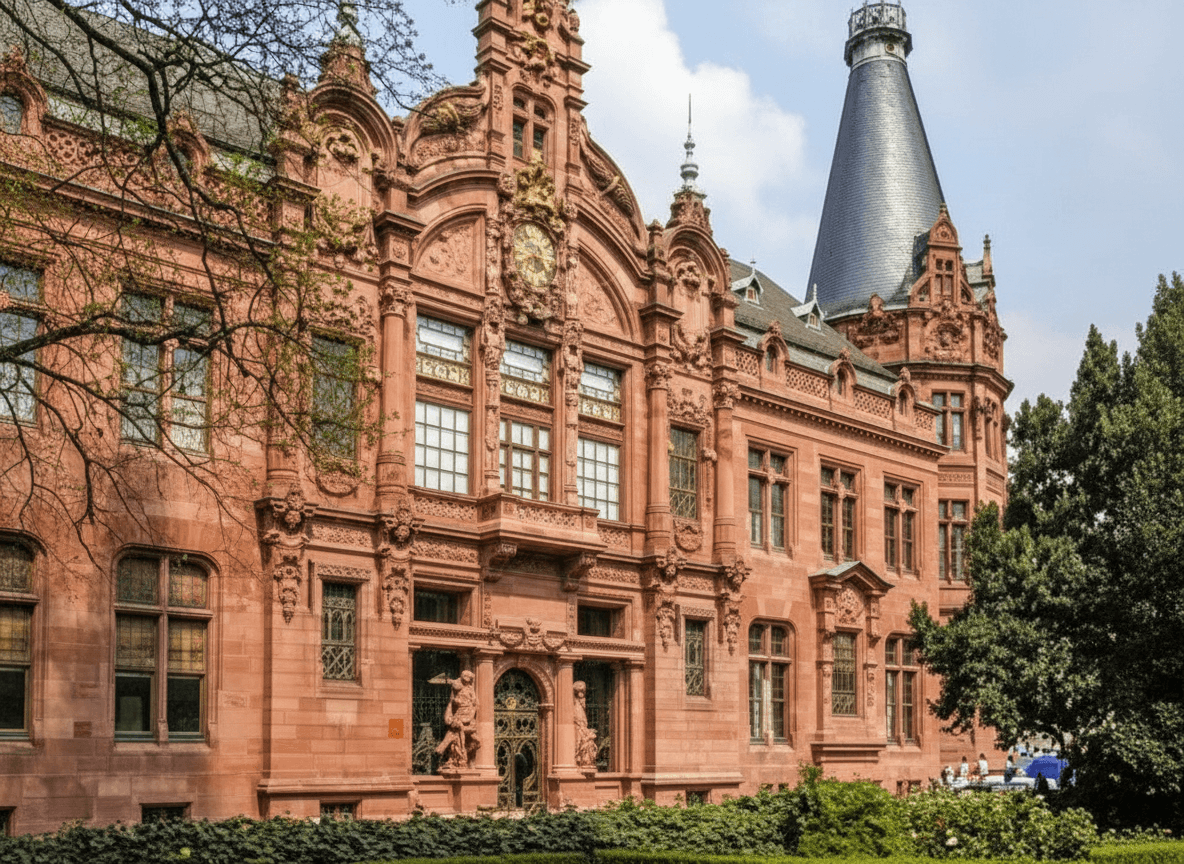
Heidelberg University
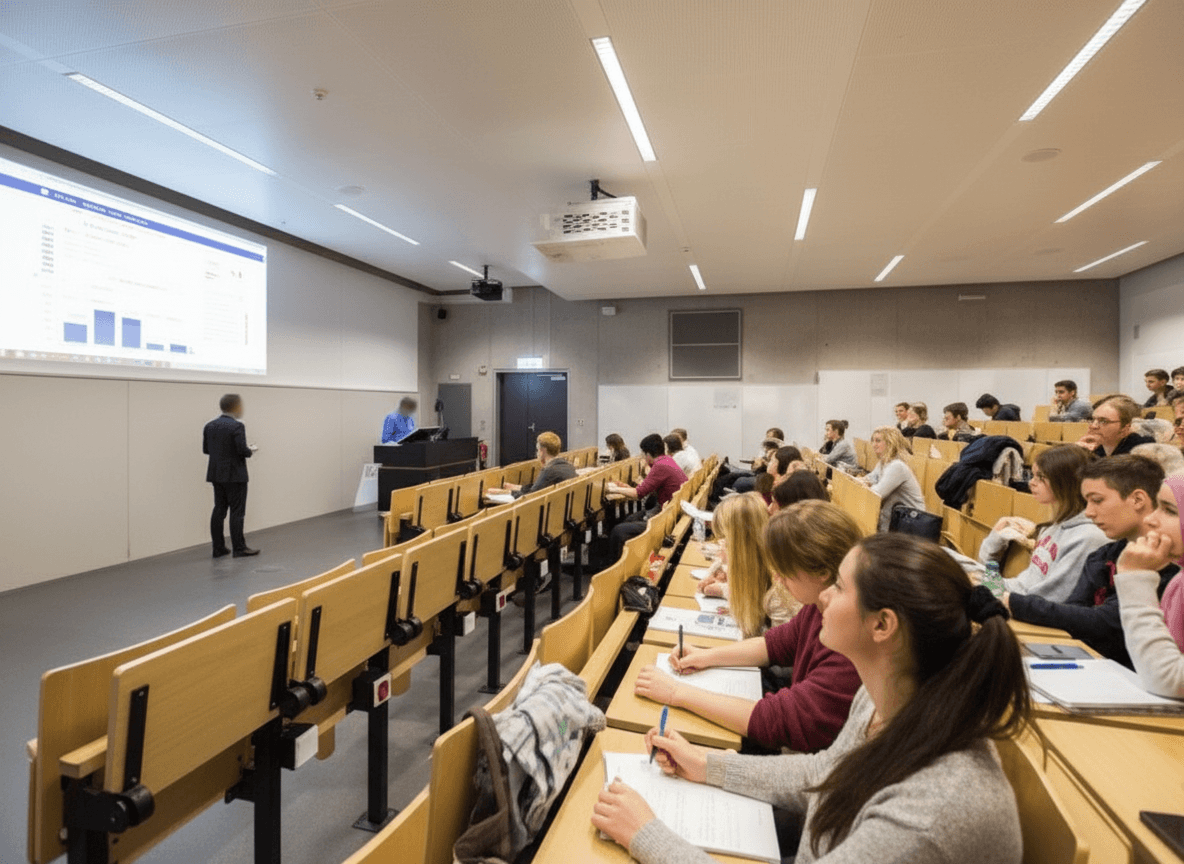
RWTH Aachen University
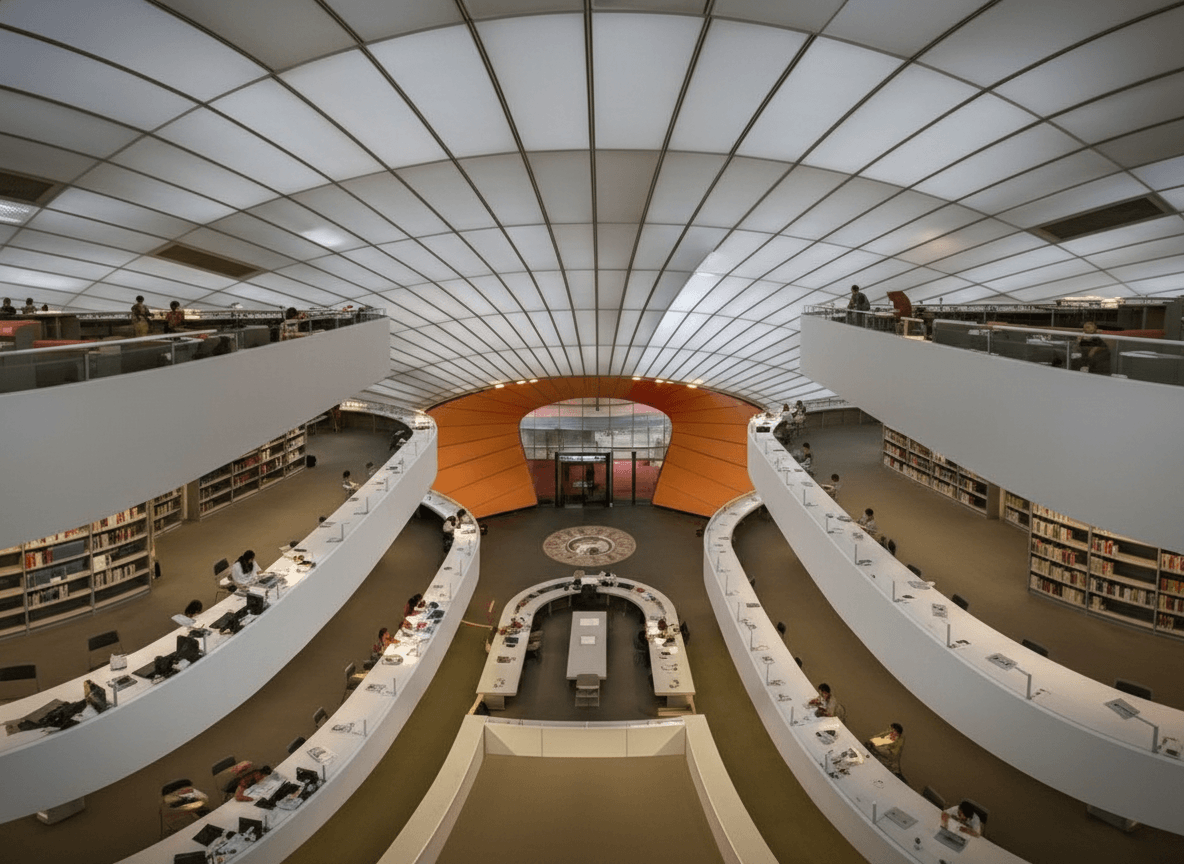
Free University of Berlin
Popular Courses in Germany
Germany is globally known for technical and professional education.
- Engineering (Mechanical, Automotive, Civil, Electrical)
- Computer Science & Data Science
- Business & Management
- Medicine & Healthcare
- Artificial Intelligence & Robotics
- Automotive & Industrial Design

Total Budget in Germany
University Fee in Germany
| University Type | Cost |
|---|---|
| Public Universities | €0 tuition fee Only semester contribution (€150–€350) |
| Private Universities | €10,000 – €20,000 per year |
Cost of Living in Germany
| Expense Type | Monthly Cost |
|---|---|
| Accommodation | €300 – €600 |
| Food | €150 – €250 |
| Transport | €50 – €100 |
| Health Insurance | €100 – €120 |
Scholarships & Financial Aid
Various funding options are available:
- DAAD Scholarships
- University-specific scholarships
- Government-funded programs
- Merit-based and need-based grants
- Private foundation scholarships
- Part-time work opportunities for international students
Germany Student Visa Process
To get a German student visa, you need:
- Admission letter from university
- Blocked account (~€11,904 per year)
- Health insurance
- Academic documents
- Visa application form
Admission Requirements
To study in Germany, students generally need:
- Academic transcripts (12th / Bachelor’s)
- IELTS / TOEFL (for English programs)
- German language (if required)
- Statement of Purpose (SOP)
- Letters of Recommendation (LOR)
- APS Certificate (mandatory for Indian students)
Application Process
Step-by-step process:
- Choose course and university
- Check eligibility criteria
- Apply via Uni-Assist or university portal
- Receive admission letter
- Open blocked account
- Apply for student visa


Work Opportunities & Post-Study Options
Germany offers excellent work opportunities:
- Part-time work: 20 hours per week
- Student jobs: €10–€15 per hour
- Post-study work visa: 18 months
- Strong chances for Permanent Residency (PR)
Intakes & Deadlines
Germany mainly offers:
Apply at least 6–8 months in advance
- Winter Intake (Primary): September/October
- Summer Intake: March/April
Accommodation Options
Students can choose from:
- University dormitories (affordable)
- Shared apartments (WG)
- Private rentals
- Student cooperatives (co-living communities with lower rent)
Career Scope & ROI in Germany
Germany provides excellent return on investment:
Strong pathway to long-term settlement
- High demand in engineering, IT, and healthcare
- Average salary: €40,000–€60,000/year
- High ROI in Germany
Why Choose EduAdvisory
We provide complete end-to-end support:
- Free career counselling
- University shortlisting
- Application & SOP assistance
- Visa guidance
- Pre-departure support
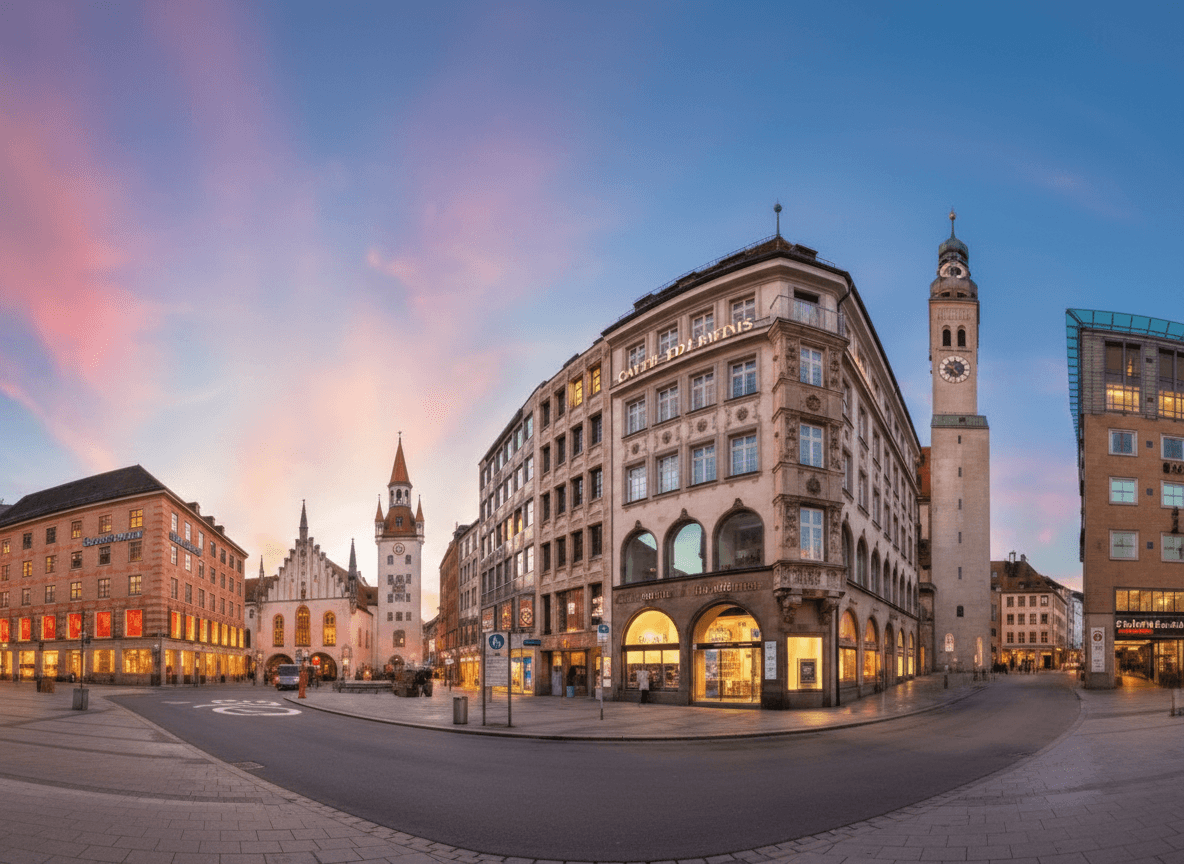
Student Testimonials
One To One Consultation with EduAdvisory
At EduAdvisory, we guide students through the complete process:
- University selection
- Application process
- SOP & documentation support
- Visa assistance
- Scholarship guidance
- Pre-departure guidance
Our experts ensure a smooth admission process into top German universities.
Frequently Asked Questions
Planning to study in Italy but have a lot of questions like our other applicants? Find well-defined answers in our FAQ section with one click. For detailed information feel free to contact our highly experienced education consultants anytime!
Is education really free in Germany?
Yes, most public universities do not charge tuition fees.
Can I study in Germany without German language?
Yes, many programs are available in English.
What is the minimum budget for Germany?
Around €10,000–€12,000 per year for living expenses.
Can I get PR after studying in Germany?
Yes, after working for a few years, you can apply for PR.
“Is Germany better than UK or Canada?”
Germany offers lower cost and high ROI, while UK/Canada offer faster PR pathways. Choice depends on budget and career goals.